.webp)
Table of Contents
A lot of agencies hit the same wall at the same time.
Client demand for video keeps growing, social platforms keep rewarding motion-led content, and suddenly the team that was fine with static design is now expected to deliver animated explainers, paid social creatives, UI animations, product demos, launch videos, and internal brand content at speed. The problem is not whether motion matters anymore. It does. The real question is what it should cost, how agencies structure pricing now, and how to avoid overpaying for the wrong delivery model.
That matters even more in 2026, because motion work now sits in an awkward middle ground. It is no longer a rare premium service reserved for big-budget campaigns, but it is also not something you can treat like a quick Canva task. Buyers are comparing traditional project-based studios, freelance specialists, hybrid production teams, and unlimited video monthly subscription models. The pricing gap between those options can be huge, and the cheapest choice often becomes the most expensive when revisions, missed deadlines, weak brand consistency, or slow turnaround start affecting campaign performance.

If you are trying to understand what agencies charge for motion graphics services in 2026, the clearest answer is this: most pricing still depends on scope, animation complexity, strategy input, turnaround expectations, and revision volume. At the market level, Clutch’s current video production benchmarks show many agencies charging roughly $100 to $149 per hour, while many video production projects still land under $10,000 overall. Clutch also reports similar average hourly ranges for many 2D animation providers.
That does not mean every motion project should be priced the same way. A 15-second paid ad variation is not the same as a full explainer video. A monthly creative partner is not the same as a one-off production house. And a fast-moving agency that needs ongoing short-form content will evaluate value very differently from a brand commissioning one hero asset.
This guide breaks down what motion graphics design services cost in 2026, why prices vary so much, when project-based pricing makes sense, when a retainer or unlimited video design service is smarter, and what buyers should actually look at before booking a call.
Why motion graphics pricing is under more scrutiny in 2026
Motion graphics has become more central to marketing because video is still delivering measurable results for brands. Wyzowl’s 2026 video marketing data reports that 93% of video marketers say video has helped increase brand awareness, 82% say it has helped increase web traffic, and 82% say video gives them a good ROI.
That combination changes buyer behavior. Agencies and in-house teams are not asking whether they need motion. They are asking how to get enough of it without blowing budget or slowing campaign output.

At the same time, search and discovery behavior have shifted. Google’s guidance for AI features makes it clear that content may appear across AI-driven search experiences, and site owners should think about how their content is surfaced in those formats. That has pushed more brands toward richer content formats, including visual explainers, product walkthroughs, and short-form video assets that can support search, paid campaigns, landing pages, and social at the same time.
So pricing pressure is coming from both directions. Demand is rising, but buyers are also more disciplined. They want output, consistency, and speed, not just pretty animation.
What do motion graphics design services cost in 2026?
For most agencies and brands, motion graphics design services in 2026 usually fall into one of four pricing models: hourly, per project, monthly retainer, or unlimited subscription. The right model depends less on company size and more on content volume and workflow.
Here is the practical market view.
The hourly benchmark above is based on Clutch’s current pricing data for video production and 2D animation agencies. The rest of the ranges are realistic market estimates shaped by scope, workflow, revision load, and common agency packaging in 2026.

For USA buyers, rates are typically higher when strategy, scripting, creative direction, ad testing input, or brand systems are included. For India-based buyers, the same category of work may be available at lower price points, especially when teams are optimized for design production rather than full production-house overhead. But lower pricing only creates value if communication, process, and consistency are strong.
What actually changes the price of motion graphics video production services?
The biggest pricing mistake buyers make is assuming they are paying only for animation time. In reality, pricing reflects the entire production system behind the output.
Complexity is the first driver
Simple 2D motion graphics services can be relatively efficient when the brand system already exists, the script is short, and the animation language is straightforward. Think social ad edits, text-led promos, repurposed design assets, or basic UI movement.
Pricing rises quickly when you add custom illustration, storyboard development, voiceover coordination, product visualization, character animation, or multiple aspect ratios. A polished 60-second brand explainer usually includes much more than “animation.”
Revisions can quietly double effort
A buyer may ask for “just a few changes,” but in motion work, one change in timing, text, pacing, screen order, or music can ripple through the entire file. Teams that do not control revisions tightly often build the risk into their pricing.
This is one reason unlimited video design and monthly subscription models have become more attractive. Instead of negotiating every round of edits as a new mini-budget, buyers pay for an ongoing workflow.
Turnaround expectations matter
Fast-turn creative is more expensive if the team has to reorganize production around urgent delivery. A three-week project and a 48-hour rush job are not priced the same way, even if the final video length looks similar.
Strategy input affects value
Some providers are production executors. Others shape messaging, structure, visual hierarchy, ad readiness, and conversion intent. That strategic layer often matters more than animation polish, especially for agencies producing content tied to acquisition goals.
Typical pricing by deliverable type
A useful way to evaluate motion graphics services is by the kind of asset you actually need, not by vague labels.
Short paid social videos
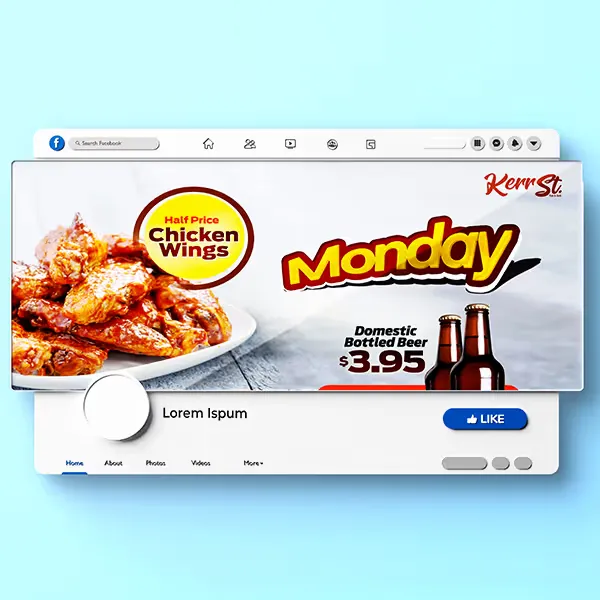
A short ad creative or animated promotional asset is usually the most cost-efficient category. These often sit at the lower end of project pricing because the script is light, the structure is short, and the source assets may already exist.
A realistic 2026 range for a simple 10- to 30-second animated social video might be around $1,000 to $2,500 through an agency, depending on brand readiness, number of versions, and revision rounds. If you need multiple hooks, resizes, and ad variants every month, a subscription model often makes more financial sense than separate projects.
Explainer videos
Explainers usually cost more because they require message architecture, scripting, scene planning, pacing, and stronger design cohesion. If there is a voiceover, onboarding process, and multiple stakeholder approvals, the cost rises again.
A credible range for a professional motion graphics animation service for explainers often starts around $3,500 and can move well beyond $10,000, especially when the provider is functioning like a creative strategy partner rather than only a production vendor. That aligns with broader project-based video pricing benchmarks seen on Clutch.
Product demos and SaaS walkthroughs
These projects look easier than they are. Buyers often assume screen recordings plus transitions are enough, but good demos require scripting discipline, clarity, pacing, and strong visual emphasis. The complexity depends on how much storytelling versus simple product education is required.

Ongoing campaign motion support
This is where monthly models win. Agencies that need recurring ad creatives, launch videos, sales enablement assets, motion-led reels, and repurposed content usually lose money by buying one video at a time. The admin load alone becomes expensive.
Project-based pricing vs unlimited video monthly subscription
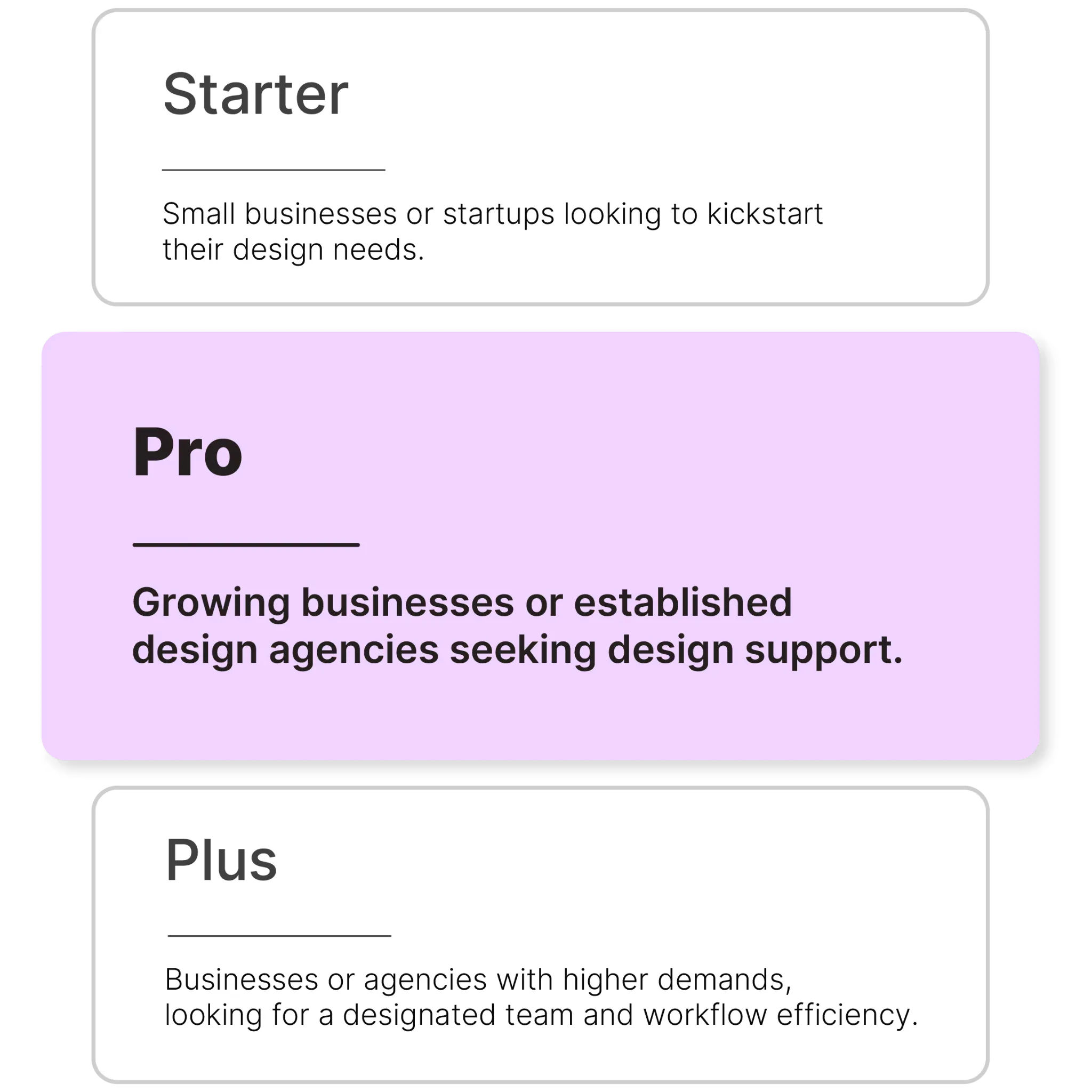
For recurring needs, unlimited video monthly subscription models are popular because they solve a business problem, not just a production problem. They reduce budgeting friction, create predictability, and fit the reality that many agencies do not need one cinematic masterpiece. They need a reliable stream of useful motion assets.
Here is the simplest way to think about it.
Choose project pricing when:
- You need one major hero asset
- The scope is clearly defined
- The work is heavily customized
You need deeper creative development before production starts
Choose an unlimited video design service when:
- You need regular monthly output
- You run paid campaigns that require multiple versions
- Your team already has brand direction and messaging
- You want predictable costs and faster creative velocity
For many modern agencies, the second model is more practical. The issue is not whether unlimited sounds appealing. It is whether the provider can maintain quality, communicate clearly, and handle revisions without bottlenecks.
What agencies often do not tell you about pricing
A lower quote is not always cheaper in practice.
Some providers price low to win the work, then rely on delayed timelines, limited revision flexibility, junior execution, or vague exclusions to protect margin. Others quote higher because they include strategic thinking, creative QA, account management, and a stronger production process.
This is where buyers need to stop comparing line items and start comparing operating models.
Ask questions like:
- Who is actually doing the work?
- Is this design-led motion, template-led motion, or full custom production?
- How many revisions are realistic?
- What is the average turnaround time?
- Are source files included?
- Are multiple aspect ratios part of the scope?
- What happens when priorities change mid-month?
The goal is not to find the cheapest motion graphics design services. It is to find the best cost-to-output ratio for your real workflow.
A practical framework for evaluating motion graphics pricing
The best way to compare providers is to score them across the factors that affect actual business value.
A provider that scores well across these areas often creates more value than one with the lowest quoted price.
What buyers in the USA and India should consider differently
USA buyers often prioritize strategic alignment, speed, stakeholder management, and polished client-facing communication. Pricing is usually higher, but expectations around process and presentation are also higher.
India-based buyers often have an advantage when working with highly capable production teams that can deliver strong quality at lower costs. But the real differentiator is still workflow maturity. A lower hourly cost means very little if feedback cycles are messy or if the provider cannot support business hours overlap for urgent delivery.
For cross-border partnerships, timezone compatibility, briefing quality, and communication discipline matter almost as much as portfolio quality.
What to look for before you book a call
If you are evaluating motion graphics video production services right now, the smartest next step is not asking for a discount. It is asking for a fit.
Look for a partner whose pricing model matches your content reality.
If you need two campaign videos a year, a project-based studio may be ideal. If you need fresh motion assets every week, a monthly or unlimited model is usually the more rational choice. If your team already has strong creative direction, you may not need a heavyweight production house. If your messaging is still unclear, you probably do.
This is also where a provider like Cueball Creatives can fit naturally for brands and agencies that need ongoing design and motion support without the friction of restarting the buying process every time a new request comes in. The strongest partnerships usually happen when the service model supports how the team actually works, not just how procurement prefers to buy.
Are unlimited video design services worth it?
Yes, when the demand is ongoing and the provider is genuinely built for recurring output.
Unlimited video design services are usually worth it for agencies, SaaS teams, DTC brands, and marketing departments that need a steady flow of motion-led creative. They are less useful for highly bespoke, one-off productions where a dedicated project team is essential.
The real value is not “unlimited” in the literal sense. It is operational simplicity. You reduce budgeting friction, shorten briefing cycles, and make creative production feel like part of your team’s rhythm instead of a separate purchasing event every few weeks.
FAQs
1. How much do motion graphics services cost in 2026?
Most motion graphics services in 2026 are priced either hourly, per project, or on a monthly subscription basis. Agency hourly benchmarks commonly fall around $100 to $149 per hour, while project costs can range from around $1,000 for simple assets to $10,000+ for more developed explainer-style work.
2. Why do motion graphics design services vary so much in price?
Pricing changes based on complexity, script development, custom illustration, revisions, turnaround speed, number of deliverables, and whether strategy is included.
3. Are 2D motion graphics services cheaper than full video production?
Usually, yes. Pure 2D motion graphics services tend to be more cost-efficient than live-action or full production-heavy work, especially when the brand already has source assets and clear direction.
4. What is included in a motion graphics animation service?
It often includes creative briefing, scripting or copy support, storyboard planning, design frames, animation, transitions, sound selection, revisions, and export formatting. The exact scope depends on the provider.
5. Is an unlimited video monthly subscription worth it for agencies?
It can be. For agencies that need regular ad creatives, social assets, launch videos, and repurposed motion content, subscription pricing often gives better cost predictability and workflow efficiency than buying projects one by one.
6. What is the difference between unlimited video design and project-based pricing?
Unlimited video design is designed for ongoing monthly output, while project-based pricing is better for one-off work with a defined scope and timeline.
7. Do motion graphics video production services include strategy?
Some do, some do not. Buyers should check whether the provider helps with message structure, audience fit, and performance thinking, or whether they only execute supplied direction.
8. How long does a motion graphics project take?
Simple assets may take a few business days, while more developed explainers or campaign videos may take several weeks depending on approvals, script work, and revision rounds.
9. Should I hire a freelancer, agency, or subscription service for motion graphics?
Choose based on volume and complexity. Freelancers can work well for focused tasks, agencies are stronger for strategy-heavy custom work, and subscription services are often better for ongoing design throughput.
10. What should I ask before booking a motion graphics provider?
Ask about turnaround time, revision policy, who does the work, whether multiple formats are included, source file access, communication process, and how they handle ongoing requests.
Don’t Just Compare Prices. Compare Production Models
Motion graphics pricing in 2026 is not really a question of what animation costs. It is a question of what kind of production model supports your growth without creating creative bottlenecks.
That is why agencies charge such different amounts. They are not always selling the same thing, even when the deliverable sounds similar. One quote may cover execution only. Another may include strategy, systems, speed, iteration, and a more scalable way to produce content over time.
If you need occasional high-touch production, project pricing can work beautifully. If you need continuous campaign support, an unlimited video monthly subscription or ongoing motion graphics design service is often the more efficient decision.
The best next step is simple: map your real monthly content demand, compare providers based on workflow fit rather than headline price, and book a call only with teams whose model matches the way you operate.
If your team is exploring a flexible, ongoing design partner for motion graphics services and broader creative support, Cueball Creatives is the kind of option worth evaluating with that lens.